

Does virtual dog training actually work?
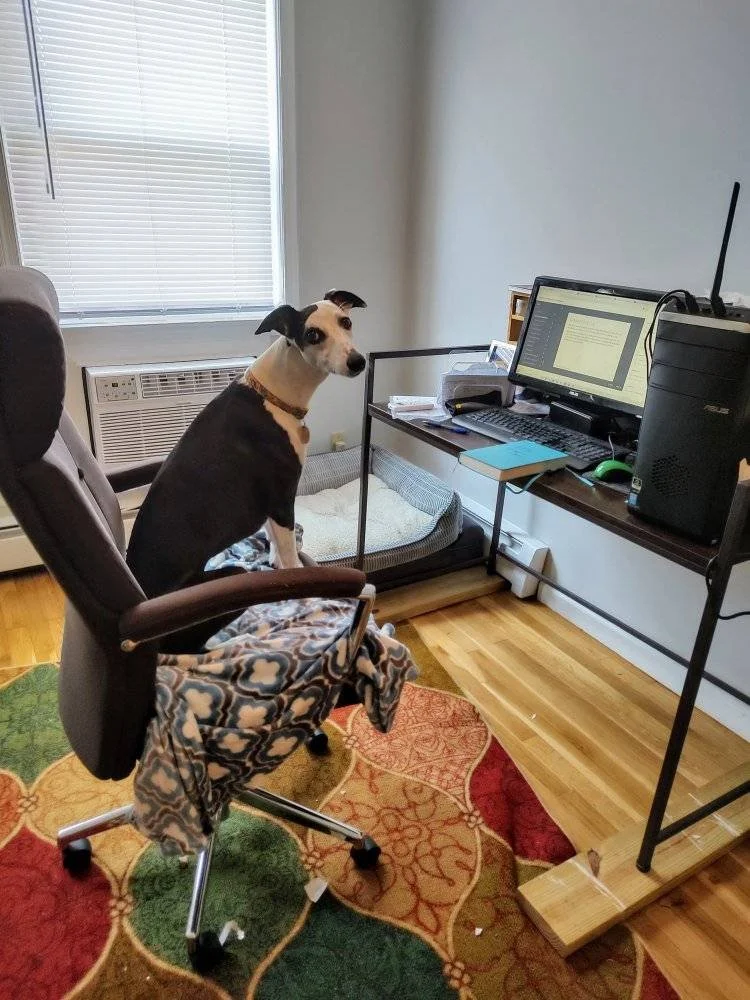
If you’ve spent much time in the online dog training world, you’ve probably noticed that a lot of trainers are offering virtual dog training services now. Since COVID-19, this has become more and more commonplace.
But does virtual dog training really work?
Well, in short: yes. If it didn’t work, all of these reputable trainers wouldn’t offer it! But I know there can be some skepticism around this, so let’s take a little bit of a deeper dive. I’ll use my virtual services as an example of how this might look, though different trainers have different approaches to how they structure their virtual dog training.
I usually start my services with a virtual initial consultation, even if our training sessions will be in-person. This is mainly because the initial consultation is mostly a lot of talking – we talk about your dog’s background, history, behavior, any concerns you’re having, and your training goals. We also talk about my training methods, how they work, and what you can expect from your training with me. With dogs who get excitable (or even worried) about strangers entering the home, it’s easier to do this virtually.
After your initial consultation, you get a worksheet with some steps you can take right away before our first official session.
Every one of my virtual dog training sessions is unique, but they generally follow a basic pattern:
At the top of the session we will talk about how you and your dog have been doing since we last met. If this is your first virtual dog training session: Have you been able to implement the suggestions in your post-consult worksheet? If this is a later session: Have you run into any roadblocks with your training, or any new problem behaviors? Where are we at with your goals? Is there anything we need to troubleshoot, or pivot to address more effectively?
Next, based on this discussion, we begin our real-time training. If we are learning an entirely new behavior, I will usually first demonstrate on camera with one of my dogs, so that you have an idea of what the behavior ought to look like. I will then coach you through training the behavior with your own dog, providing feedback and troubleshooting advice as we go.
We also build in brain breaks for your dog – so we may do a certain number of reps of an exercise, and then I may ask you to offer a pre-prepared snufflemat or lickmat with a small amount of food, or get a toy and play with your dog for a little while, or simply pet your dog and offer her water and a chance to decompress. Being able to decompress and process helps your dog learn more effectively. I’ve found that building in brain breaks is especially important for my adolescent clients and sighthound clients.
After our brain breaks we’ll get back to training. I always watch your dog’s body language closely and make sure we end on a good note.
We then wrap up the session with a brief discussion. I will check in with you to see how you felt about the session and make sure you feel like we are still progressing in the direction you want to go. We’ll talk about what to work on till next time I see you, and following your session, I’ll e-mail you a worksheet that also outlines in writing what to work on till next time. I find clients find it helpful to have this written resource to refer back to. This worksheet will typically also include links to written how-to guides for the behaviors we are working on, and/or video resources.
Between sessions, I am always here to be a resource for you. You always have access to e-mail support if you encounter any bumps in the road on your training journey – or if you just have any questions at all.
I also strongly encourage clients to send me short videos (1-2 minutes) of your training on your own between sessions, so that I can offer additional feedback and help you progress faster. This is optional, but it can make a big difference in your training progress.
There are a lot of benefits to virtual training. One big thing I like to emphasize is that the dog doesn’t have to get used to me being in the room. The dog gets to train in their own environment without the competing distraction of the trainer (who often becomes very exciting to the dog). When I do in-person sessions, we often have to allocate at least a little time toward “cooling down” from the excitement of my arrival before we can get the dog into a space where they are ready to focus and learn. When we work virtually, we don’t have to worry about that!
Another benefit is that your virtual sessions can be recorded for you to look back on. If you forget something, or want to review something we talked about, you can access the recording instead of wracking your brain trying to remember. (Though again, you also can always shoot me an e-mail! I aim to always respond within 24 hours.)
And of course, the big difference between in-person and virtual is that with virtual dog training, I can work with you from anywhere. As long as you’ve got an internet connection, we’re in business. This can be so helpful for people who don’t have access to a lot of positive reinforcement training options in their area.
A lot of people are skeptical of virtual dog training, and I understand why – it sounds strange if you’re not familiar with the concept. You would assume that the trainer needs to be in the room with the dog. But in truth, the heart of what I do is coaching you through training your dog, and I can do that through a screen just as effectively as I can do it in person – with a whole host of benefits that working virtually offers.
So in truth, virtual dog training isn’t the lesser option. Sometimes it’s legitimately the better option.
Interested in getting started with virtual dog training?
Request a consultation!